

This is part 3! See parts 1 and 2 for maximum sense-making.
OK, so you’ve used all your skillz (developed from parts 1 and 2) to get a donor meeting in the calendar.
I’ve done a ton of these. Here is how to prepare. (It is literally a step-by-step list, I wouldn’t do you dirty with a book or big paragraphs or anything):
Advance prep
Open a Google document
Title it with “their name — call prep”
Find, and paste word-for-word into the document, exactly how they got introduced to you (copy e.g. the text chain, or the email thread)
Look for videos or tweets from the person you’re speaking to. Paste any you find into the agenda
Set out what you’re going to cover on the call, in bullet points. This is usually, (i) introductions, (ii) signposting (see below), (iii) the main stuff you want to cover, and (iv) ideal next steps
Whhhhyyyy? OK:
Getting word-for-word context on how you were introduced is essential.
Busy important people might not remember who you are, or how you came to be in their calendar. Don’t risk them guessing wrong (awkward); you can open the call with “I’m so glad so-and-so connected us after the-event, I’d love to talk about the-thing”
You need to prepare for, and deliver, the conversation the donor has actually agreed to, and is actually expecting. If you’re intro’d over WhatsApp as “a friend”, that tone sets the vibe. If you’re intro’d over email as “my donor advisor who can provide you with AI grant recommendations”, be ready to send transfer details in the Zoom chat (though, to be honest, you should always be ready to do that). Individual words matter too — my “dear friend” is different to “coworker”; “have a chat about” is different to “discuss”. Paste the whole thing in.
Tweets and videos are vibe-rich, and you are looking to be a vibe billionaire. Read their old stuff; read their new stuff; pay attention to how many exclamation points they use or their retweet to original tweet ratio. Don’t rely on “donor research” from places like Wealth X — it is often wrong and never a vibe-fountain.
One additional strong view: Do not send people large documents cold before the call. Imagine it: Someone receives a large document. They don’t read it. Maybe they feel they need to read it before speaking with you. They delay speaking with you. Or, they read it. Invariably, they will hit something they are confused about, or disagree with, or that just makes them feel hmmmm. You are not there to talk with them about this. The hmmmm remains unanswered. They keep reading, and hit another hmmmmm. Then another. By the time they’re done, there’s a whole hive of hmmmms in the vibe-space around this document. By the time they speak to you, the specifics of each may have been lost, but the vibe has been making itself at home. Avoid this. Talk first. Documents after.
Right before the call
Tune in to the playing field that is level, for emotional reasons
Howww??? OK:
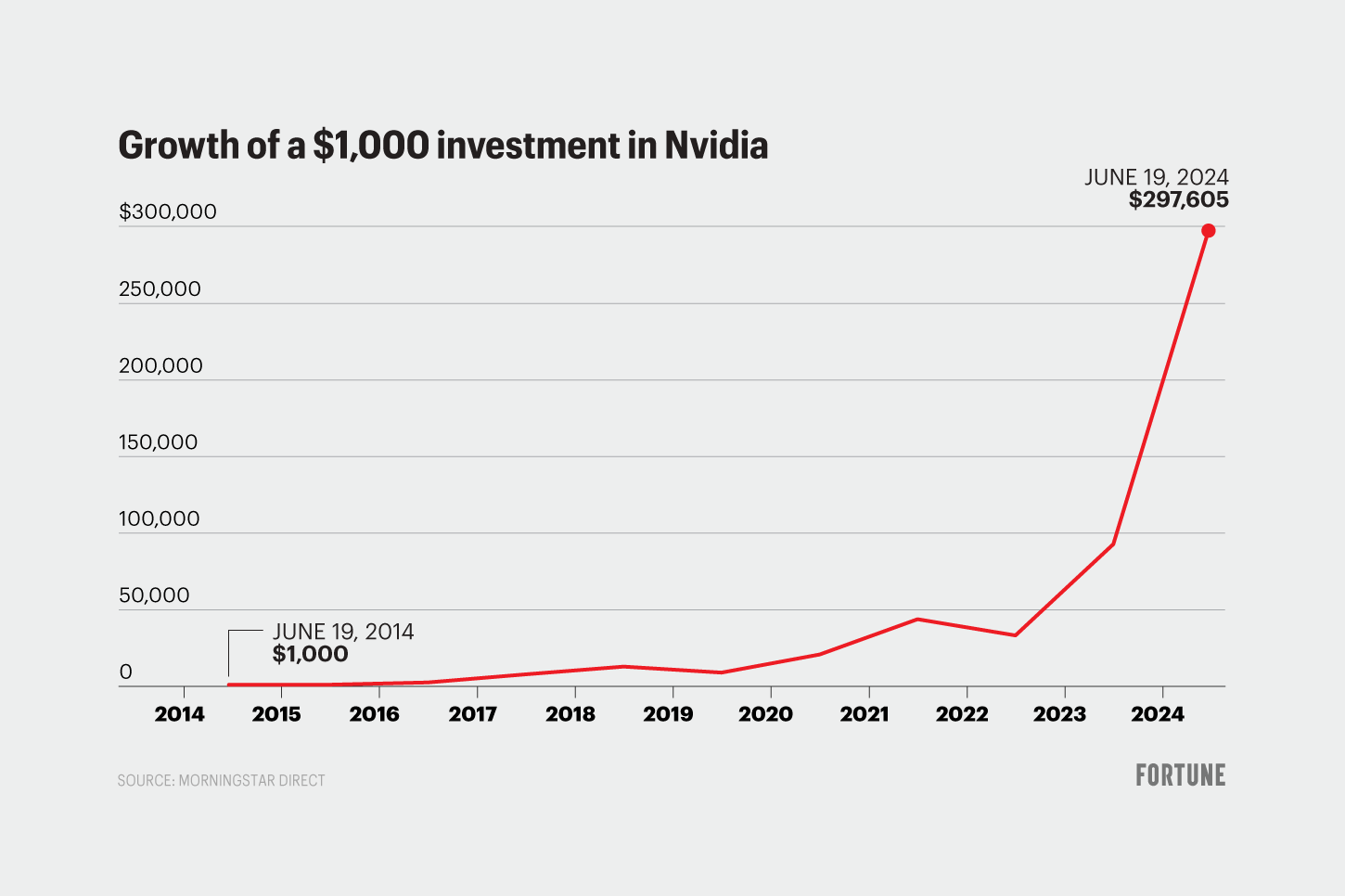
Remind yourself that the donor has signed up for this because they want it. You are not a Victorian baby asking for coins while wearing a tiny threadbare waistcoat. You are selling them Nvidia stock in 2015. They want to want what you’ve got, and what you’ve got is good (this requires you to believe what you’ve got is good — if you don’t, you need a whole other blog post, sorry)
Do not be fooled by the loud voices or the Patagonia vests or the glow of a billionaire whose peptides cost more than your house — you have both been vulnerable, naked, and puking (in infancy, if not in college), you will both die.
Luxuriate, for a moment, in the cosmic privilege it is to be doing this — talking to people who want to talk to you about improving the world, all from the mind-blowing comfort of your padded office chair. What a joy; what a gift. Intend to enjoy it.
On the call
Start with friendly hellos and recapping how you got connected
Clearly signpost your default plan for the call, get their buy-in or alternate proposal
Let them introduce themselves first
Introduce yourself accordingly
Go through your agenda items, while-ever they remain engaged. If things go sideways, do no plough onwards. Stop, ask, and pivot.
Find things that are genuinely useful for the person you’re talking to (see part 2). Follow up immediately. Meet in person if possible. With your Pomeranian, ideally.
Howww AND whhyyyyyy OK:
Signposting is really important. Here is an example of how I’d do it: “So by default, I’d love to spend our time (i) getting to know each other a bit more; (ii) walking you through the framework for how we think about philanthropy, and then (iii) discuss some specific grants in the areas that are most interesting to you — which I understand to be biosecurity in general and far-UVC in particular. How does that sound? Is there anything you’d hoped we’d cover I’ve not mentioned? Would you like to skip the framework and go directly to the grants? I’m really keen to use our time however would be most helpful to you — you’d be doing me a huge favour by letting me know what feels most exciting so we can go right there”. Notice:
I come in with a default plan. It is informed by everything I could deduce about what they want to hear about. This is a nice courtesy, and makes hard thinking optional.
I flesh out what the default plan will look like, in some detail. This is nice, because people need to know what’s coming for them to evaluate whether they want it or not. It’s also nice to agree on a rough structure at the outset, so you can loosely track whether you’re on track to give the donor what they want, and move things along where needed.
I make it clear that the default is just a default, and if there is anything else they want to discuss — we can pivot. This means no one wastes their time giving/ receiving an unwanted lecture. It also signals that you are not someone who has been studying for the test; you are someone who can speak widely, at a moment’s notice, on whatever the moment calls for. You are an expert.
Whatever happens, getting explicit, enthusiastic buy-in before you jump into things is essential.
It can be instructive to let the donor introduce themselves and their goals before you do — you learn about their communication style; their priorities; their worldview. You can then tailor your own introduction accordingly. Not in a sociopathic way, but in a tell-them-what-they-actually-might-be-interested-in way.
You are not a Christian soldier marching as to war. If things seem like they’re going sideways, do no plough on valiantly — no matter what agenda you’ve just agreed to.
If they are sat there stony-faced, or disengaged, or distracted, or bored, or pulsating with barely-concealed (or well-concealed) disgust, rage, disdain. etc. — pause.
You can often be more direct than you realise, if done with the intention of helping them get more of what they want (not annoyance at not having been received well).
You can say things like (depending on sideways-severity and how good you are at mind-reading): “Is this making sense to you? I’d love to know where it departs from your intuition or experience”; “Is this an area of expertise for you? I’d love your thoughts as an insider if so”; “Is this too in-the-weeds for what you’d like out of this call; shall we zoom back out"?; (if things feels really dire) “You know what? Let’s change tack. I’m worried this isn’t the thing that’s going to leave you coming off the call like “wow, that was exactly what I wanted to learn in that hour” — and that’s how I want things to go, ideally. What feels like it would fit the bill?” Try any of these. Try pausing and just figuring out what to do. Do not keep marching.
If you remember nothing else
Your job is to prepare so well — emotionally and practically — so that you can stop thinking about yourself.
If you’re having a call and your attention is scattered between whether you sound smart; whether they like you; whether this fact is exactly right; whether you seem important enough; etc etc, you won’t be present.
If you are not present, you will not be able to track the thing that actually matters — whether you are relating wholesomely to the person in front of you, and conveying interesting, relevant and useful information.
So just actually know your factual shit, and actually sort your emotional shit.
Be so prepared that the conversation feels like telling a friend about the project you’re most excited about in the world; not like contorting yourself into what you think a fundraiser is shaped like.
They are shaped like you!
There may or may not be a part 4. Stay tuned. Maybe permanently, I guess. Maybe I’ll write it on my deathbed.
Woah verrrrry similar the advice I give to salespeople all the time.
Thanks for this "series", Natalie! As someone who works in nonprofit fundraising alongside relationship managers and occasionally meeting HNWI and foundations reps, I've gleaned something about the work of philanthropy teams and what you've shared lines up with what I've observed and can intuit. What I've enjoyed is how you also break it down while adding colour to the process and logic underpinning this work - and all in a wonderfully non-jargony way :)